Handling Grievances
Discontent or feeling of unfairness in the workplace pertaining to work can be termed as Grievance. Complaints are expressions of grievances, but a grievance is deep-rooted such that the employee takes appropriate remedial action to seek satisfaction. The roots of a grievance can be real or imaginary. For instance, grievances based on real or actual activities and events may include receiving information and data that are inaccurate or when employees are unhappy when there is a wage cut. Employers and employees should understand that it is unrealistic for every grievance to be resolved to the absolute satisfaction of either party. In most situations, the most reasonable solution is a compromise with both parties adopting a "give and take" position.
Our Training programme provides delegates with the knowledge and confidence to deal effectively with disciplinary and grievance issues using informal counseling. Participants in this programme learn how to tackle more serious disciplinary offences through formal disciplinary action, and how to handle grievances formally and fairly in line with legislation. Participants will also learn how to resolve low level conduct offences and nip grievances in the bud, in order to avoid matters escalating to a formal level.
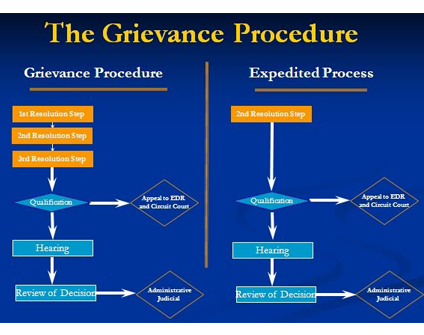
Our Trainings help the participants manage formal grievance meetings competently, asking thorough questions, taking robust notes and arriving at the correct decision. They can discover the best competency-based strategies to motivate and retain employees and obtain a more thorough understanding of roles and responsibilities of the HR functions of today's organizations.
A must for all HR practitioners involved in handling grievance, discipline and dismissal issues in the workplace.
Our Topics Include
- What is Grievance?
- How grievance develops
- Approaches to handling grievance
- Grievance handling principles
- Essential Features of Grievance procedure
- Formal Grievance
- Informal grievances
- Investigation techniques
- Carrying out Effective Investigation
- Carrying out the Grievance Interview
- Questioning Techniques
- Note Taking and Documentation
- Formalizing the Findings
- Grievance outcome
- Communicating the outcome
- Essential Features of Disciplinary procedure
- Approach to discipline
- Terminology used in discipline
- Guidelines to conduct a disciplinary session
- Common types of disciplinary penalties
- Legal requirements
- A practical approach to common issues
- Handling poor performers
- Managing absence; short and long-term
- Dealing with misconduct, in and out of work
- Dealing with bullying and harassment issues
- Dealing with social media abuse
- Dismissal
- Dismissal procedures
- Procedural flaws
- What is wrongful, unfair and constructive dismissal?
- Potentially fair reasons for dismissal
- Group dismissals
- Termination payments
- Settlement agreements